
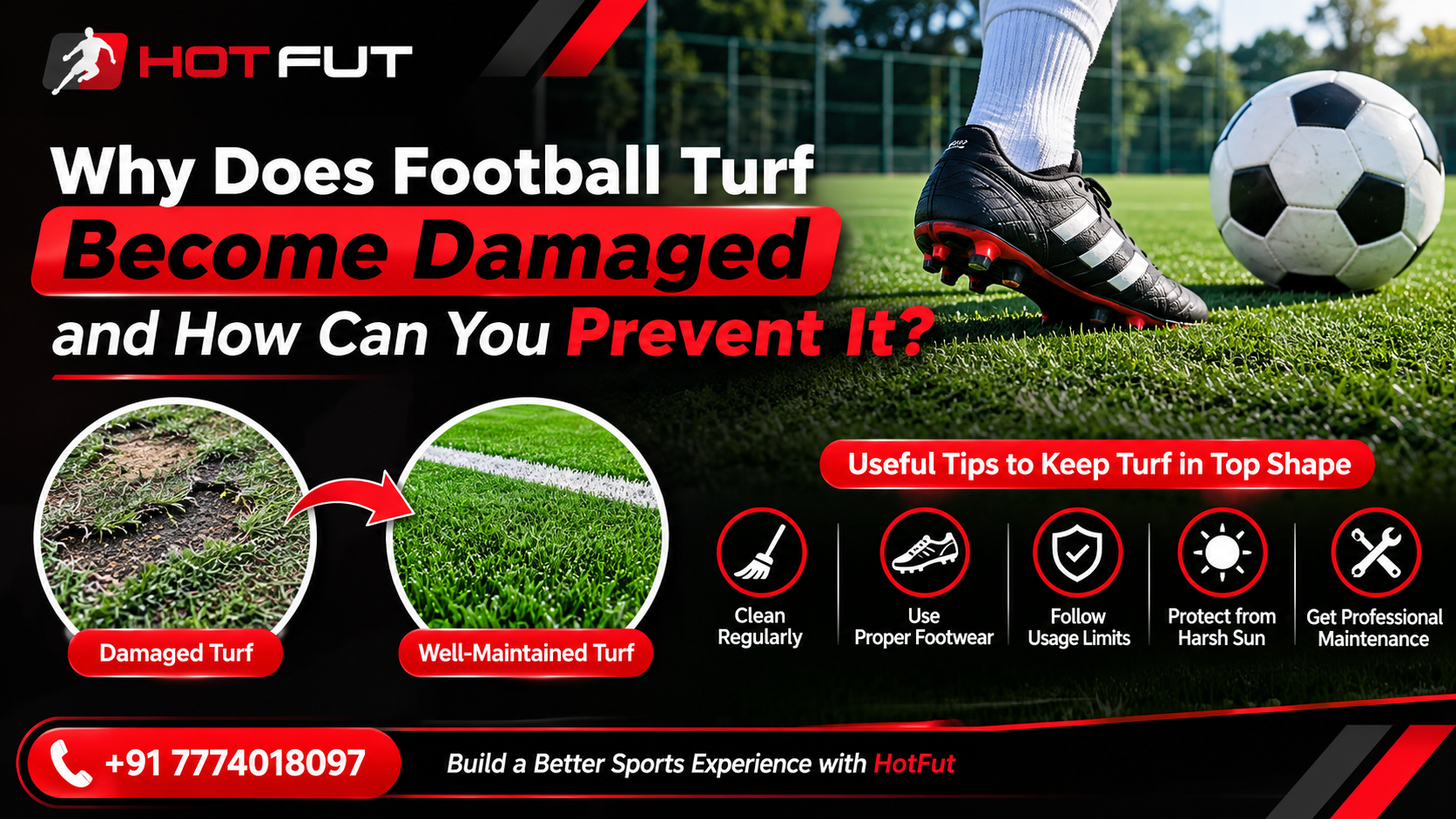
Football turf is designed to provide players with a smooth and comfortable playing surface. It is widely used in football academies, sports clubs, schools and commercial sports arenas. However, after regular use, football turf can start showing signs of damage.
You may notice loose turf fibres, uneven surfaces, flattened grass, poor drainage or damaged seams. These problems can affect the playing experience and may increase maintenance costs if they are ignored.
But why does football turf become damaged? Is it because of poor installation, heavy usage or a lack of maintenance?
Understanding the common causes of football turf damage can help sports arena owners, academy managers and facility operators protect their investment. In this article, we will explain the main reasons behind turf damage and practical ways to prevent it.
1. Heavy Usage and Continuous Football Activities
One of the most common reasons for football turf damage is excessive usage. When players regularly practise, play matches and organise tournaments on the same surface, the turf experiences continuous pressure.
Over time, artificial grass fibres can become flat, and certain areas may show more wear than others.
For example, the goal areas, penalty spots and centre of the ground often experience more foot traffic.
How can you prevent it?
-
Create a proper playing schedule.
-
Avoid unnecessary activities on the turf.
-
Rotate training areas whenever possible.
-
Allow time for regular maintenance.
-
Monitor high-traffic areas frequently.
Managing playing hours properly can help extend the useful life of artificial football turf.
2. Poor Quality Artificial Turf Materials
The quality of artificial grass plays an important role in the durability of a football ground. Low-quality materials may lose their shape, become weak or show signs of wear earlier than expected.
Some turf products may not be suitable for the level of activity or weather conditions at a particular location.
Before selecting artificial turf, consider its fibre quality, pile height, backing strength, intended use and manufacturer’s specifications.
How can you prevent it?
-
Choose turf suitable for football activities.
-
Check product specifications before purchasing.
-
Ask for samples and technical details.
-
Compare durability and warranty conditions.
-
Work with experienced sports infrastructure professionals.
Choosing suitable materials from the beginning can reduce avoidable repair and replacement expenses.
3. Improper Installation of Football Turf
Even good-quality artificial grass can develop problems if it is not installed correctly.
Poor installation may cause loose joints, uneven surfaces, wrinkles and gaps between turf sections. These issues can affect ball movement and create uncomfortable playing conditions.
The base preparation is equally important. If the foundation is not properly levelled or compacted, the surface may develop uneven areas over time.
How can you prevent it?
-
Prepare a stable and properly levelled base.
-
Use suitable installation materials.
-
Ensure turf seams are joined correctly.
-
Follow the manufacturer’s installation guidelines.
-
Inspect the completed surface before opening the facility.
Professional installation helps create a consistent playing surface and reduces the chances of early damage.
4. Poor Drainage and Water Accumulation
Water accumulation is another common problem in football turf facilities. When rainwater cannot drain properly, certain areas may remain wet for long periods.
Poor drainage can affect the playing experience and may contribute to problems with the base, infill and turf surface.
This is especially important for outdoor football grounds that receive regular rainfall.
How can you prevent it?
-
Install a suitable drainage system.
-
Ensure the base has proper grading.
-
Keep drainage channels clean.
-
Remove leaves and other debris.
-
Check for water accumulation after rainfall.
A properly designed drainage system helps maintain better playing conditions and supports the long-term performance of the turf.
5. Lack of Regular Turf Maintenance
Artificial turf does not require the same maintenance as natural grass, but that does not mean it is maintenance-free.
Dust, leaves, dirt and other materials can collect on the surface. Infill may also become uneven, while grass fibres can flatten due to regular use.
Ignoring these issues can gradually affect the appearance and performance of the football ground.
How can you prevent it?
-
Brush the turf regularly using suitable equipment.
-
Remove leaves and unwanted materials.
-
Check infill levels where applicable.
-
Inspect seams and edges.
-
Schedule periodic professional maintenance.
A regular maintenance routine helps identify small problems before they become expensive repairs.
6. Improper Use of Football Turf
Sometimes, turf damage happens because the facility is used for activities it was not designed to support.
For example, heavy vehicles, sharp equipment, unsuitable footwear and unauthorised activities can damage artificial grass.
Using the wrong cleaning products or maintenance equipment can also affect turf fibres and backing materials.
How can you prevent it?
-
Display clear usage guidelines.
-
Allow suitable sports footwear.
-
Restrict vehicles and heavy equipment.
-
Avoid sharp objects on the playing surface.
-
Use manufacturer-approved cleaning products.
Setting clear rules for players and visitors can help protect the football facility.
7. Weather Conditions and Sun Exposure
Outdoor football turf is exposed to sunlight, rain, dust and changing temperatures. Long-term exposure to environmental conditions can affect the surface, depending on the quality and specifications of the turf.
Strong sunlight may contribute to material ageing, while heavy rain and dust can increase maintenance requirements.
How can you prevent it?
-
Select turf designed for the expected outdoor conditions.
-
Follow the manufacturer’s cleaning recommendations.
-
Inspect the surface regularly.
-
Maintain proper drainage.
-
Repair damaged sections when necessary.
Selecting suitable materials for local weather conditions is an important part of football turf planning.
8. Ignoring Small Turf Damages
Small problems can become bigger when they are not addressed on time. A minor seam opening, loose edge or uneven infill area may gradually affect a larger section of the playing surface.
Regular inspections help facility owners identify these problems early.
Create a simple inspection checklist covering turf fibres, seams, edges, drainage, infill distribution and high-traffic areas.
If damage is found, arrange suitable repairs instead of continuing regular activities on the affected section.
How Can HotFut Help with Football Turf Development?
Developing a durable football turf requires more than installing artificial grass. Proper planning, suitable materials, base preparation, drainage and professional installation all contribute to the performance of a sports facility.
HotFut focuses on sports infrastructure and sports facility development. Whether you are planning a new football turf, upgrading an existing sports ground or developing a sports arena, choosing the right approach is important.
A well-planned football facility should offer a suitable playing surface, proper drainage, player comfort and manageable maintenance requirements.
If you are planning football turf development or looking for a reliable Sports Infrastructure Company in India, HotFut can help you explore solutions according to your project requirements.
Contact HotFut at +91 7774018097 to discuss your sports infrastructure project.
Frequently Asked Questions
1. Why does artificial football turf become damaged?
Artificial football turf can become damaged due to heavy usage, poor-quality materials, improper installation, drainage problems, weather exposure and a lack of regular maintenance.
2. How often should football turf be maintained?
Maintenance frequency depends on usage, weather, turf specifications and the manufacturer’s recommendations. High-traffic football grounds generally need more frequent inspections and brushing.
3. Can damaged football turf be repaired?
Yes. Many common problems, such as loose seams, damaged edges, uneven infill and small damaged sections, can be repaired. The repair method depends on the type and extent of damage.
4. How can I increase the lifespan of artificial football turf?
Choose suitable materials, ensure professional installation, maintain proper drainage, control excessive usage and follow a regular maintenance schedule.
5. Why is professional football turf installation important?
Professional installation helps ensure proper base preparation, correct seam joining, suitable infill distribution and effective drainage. These factors contribute to a more consistent and durable playing surface.