
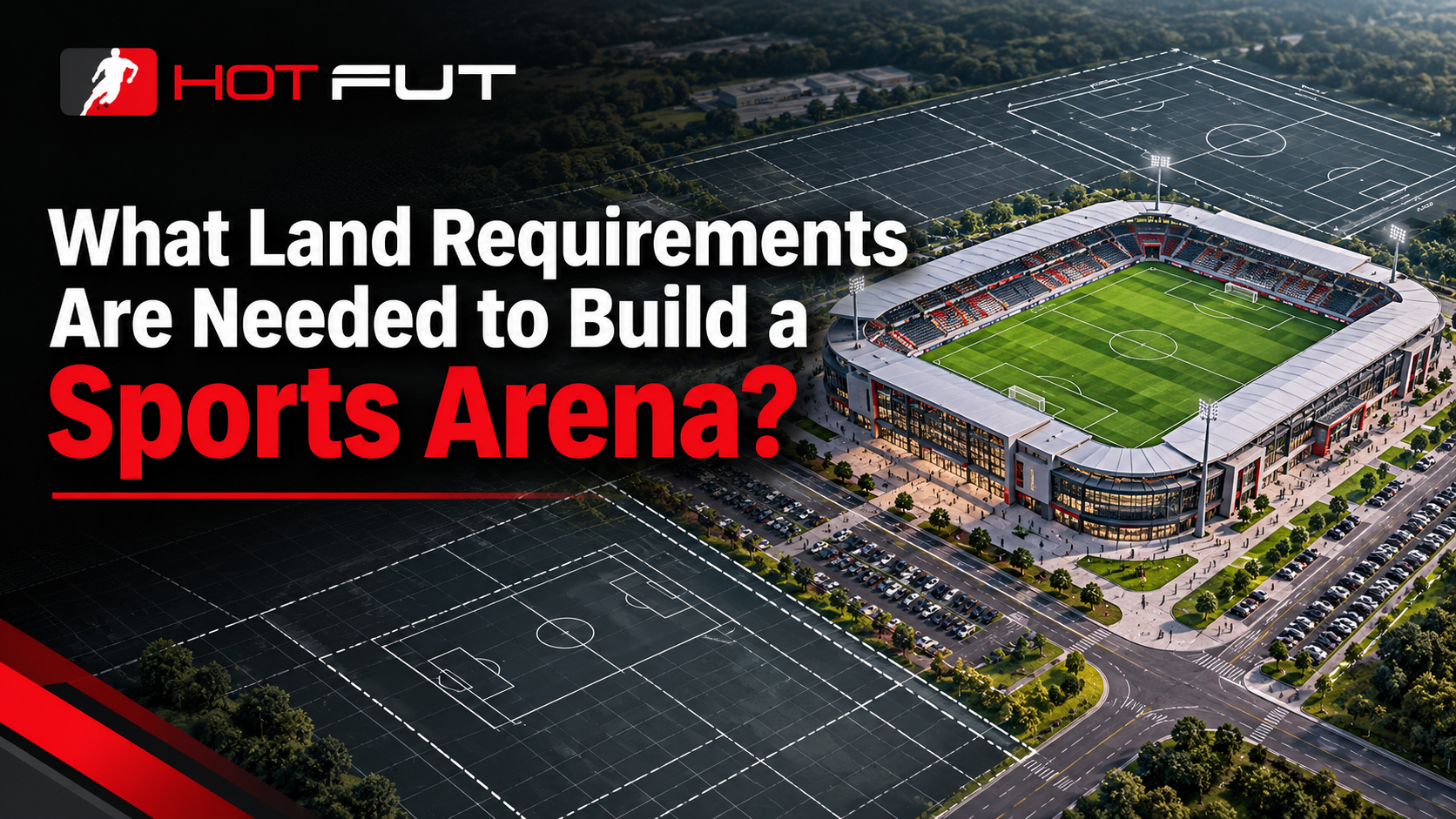
What Land Requirements Are Needed to Build a Sports Arena?

What Land Requirements Are Needed to Build a Sports Arena?

Building a sports arena is an exciting investment for sports businesses, schools, sports clubs, and private investors. However, before starting construction, choosing the right land is one of the most important decisions. A suitable location and properly planned space help create a safe, comfortable, and successful sports facility.

The land requirement depends on the type of sports arena, the number of players, spectator capacity, available facilities, and future expansion plans. Whether you want to build a football turf, multi-sport facility, or a large sports complex, proper land planning is essential.

Let’s understand the major land requirements for building a sports arena.

1. Understand the Type of Sports Arena You Want to Build

The first step is deciding what type of sports facility you want to develop. Different sports require different playing areas and supporting facilities.

For example:

  • Football arenas need a properly sized football pitch and surrounding safety space.

  • Cricket facilities require a playing field, practice nets, and spectator areas.

  • Badminton arenas need indoor courts with sufficient ceiling height.

  • Multi-sport complexes require separate areas for different sporting activities.

If you are planning a football stadium, FIFA recommends a standard field of play measuring 105 metres × 68 metres for its recommended full-size football pitch. Additional space is needed around the playing area for safety and other facilities.

2. Choose Land with Sufficient Space

Land size is one of the biggest factors in sports arena development. You should not calculate the land requirement based only on the playing field.

Your total land area should also include:

  • Main playing ground or artificial turf.

  • Player changing rooms.

  • Reception and waiting areas.

  • Spectator seating.

  • Parking facilities.

  • Washrooms and drinking water facilities.

  • Walkways and emergency access routes.

A small sports facility may need less land, while a stadium with spectator seating and additional facilities requires significantly more space.

Before purchasing land, prepare a basic site layout to understand how every facility will fit into the available area.

3. Check Land Location and Accessibility

The location of your sports arena can directly affect its business success. Choose a location that is easy for players, coaches, visitors, and spectators to reach.

Consider the following points:

  • Good road connectivity.

  • Availability of public transportation.

  • Safe entry and exit points.

  • Nearby residential or commercial areas.

  • Sufficient space for vehicle movement.

A sports arena located near schools, colleges, residential societies, or commercial areas may attract regular customers.

Also, check whether nearby roads can handle increased traffic during tournaments and large sporting events.

4. Plan Parking and Visitor Facilities

Parking is an important requirement that many sports arena developers overlook during the planning stage.

If your facility hosts tournaments, training sessions, or weekend matches, visitors may arrive in large numbers.

Your land plan should include:

  • Two-wheeler and car parking.

  • Separate drop-off and pick-up areas.

  • Accessible parking spaces.

  • Pedestrian walkways.

  • Safe entry and exit routes.

Parking capacity should be decided according to the expected number of visitors and local building regulations.

5. Check Soil Quality and Drainage

Good land quality is necessary for building a strong and long-lasting sports facility.

Before construction, conduct a soil investigation to understand the ground conditions, soil strength, water table, and drainage capacity.

Proper drainage is especially important for football grounds and artificial turf facilities. Poor drainage can cause waterlogging, surface damage, and interruptions during matches.

FIFA’s stadium guidance recommends site-specific pitch design and drainage planning based on soil conditions and local climate.

FIFA Publications

For an artificial football turf, the base must be properly prepared to support the turf system and allow effective water drainage.

6. Follow Local Building and Safety Regulations

Before starting construction, check the legal and regulatory requirements for your selected land.

These may include:

  • Land ownership and title verification.

  • Permitted land use and zoning.

  • Building plan approval.

  • Local development authority permissions.

  • Fire safety requirements.

  • Environmental and drainage approvals.

  • Accessibility requirements.

Requirements can differ depending on the city, state, and type of sports facility. Therefore, consult local authorities and qualified architects before starting the project.

7. Keep Space for Future Expansion

A well-planned sports arena should support future development.

You may want to add more football turfs, indoor courts, training facilities, spectator seating, or food and refreshment areas later.

Keeping some additional space available can help you expand without relocating your entire facility.

Future expansion planning can also improve the long-term business value of your sports arena.

8. Work with Experienced Sports Arena Professionals

Building a sports arena requires proper planning, technical knowledge, and quality construction. Working with experienced professionals can help you select suitable materials, design the playing area, and manage important construction requirements.

If you are planning a football turf or sports facility, HotFut can be a useful brand to explore for your sports turf requirements.

From choosing the right playing surface to planning the overall facility, focus on quality, safety, durability, and player comfort.

Conclusion

Choosing the right land is the foundation of a successful sports arena project. You need to consider the playing area, parking, accessibility, soil quality, drainage, safety regulations, and future expansion before beginning construction.

Remember that the required land size depends on your sports facility’s purpose and design. Proper planning from the beginning can help reduce construction challenges and create a better experience for players and visitors.

If you are planning to develop a football turf or sports facility, explore HotFut and focus on building a space that supports quality sports experiences for years to come.

Frequently Asked Questions (FAQs)

1. How much land is required to build a sports arena?

The required land depends on the type of sport, playing area, spectator capacity, parking, and additional facilities. A small training facility needs less space than a full-size sports stadium.

2. What facilities should be included in a sports arena?

A sports arena should include a playing area, changing rooms, washrooms, parking, spectator seating, drinking water, first-aid facilities, and emergency access.

3. Why is proper drainage important for sports ground construction?

Proper drainage prevents waterlogging, protects the playing surface, and helps maintain safe playing conditions during and after rainfall.

4. What type of land is best for building a football turf?

Land with suitable soil conditions, good road connectivity, proper drainage, sufficient space, and legal permission for sports use is ideal for football turf development.

5. Can a sports arena be expanded in the future?

Yes. If additional land is available and the original layout is planned properly, you can add more playing areas, training facilities, seating, and other sports amenities.
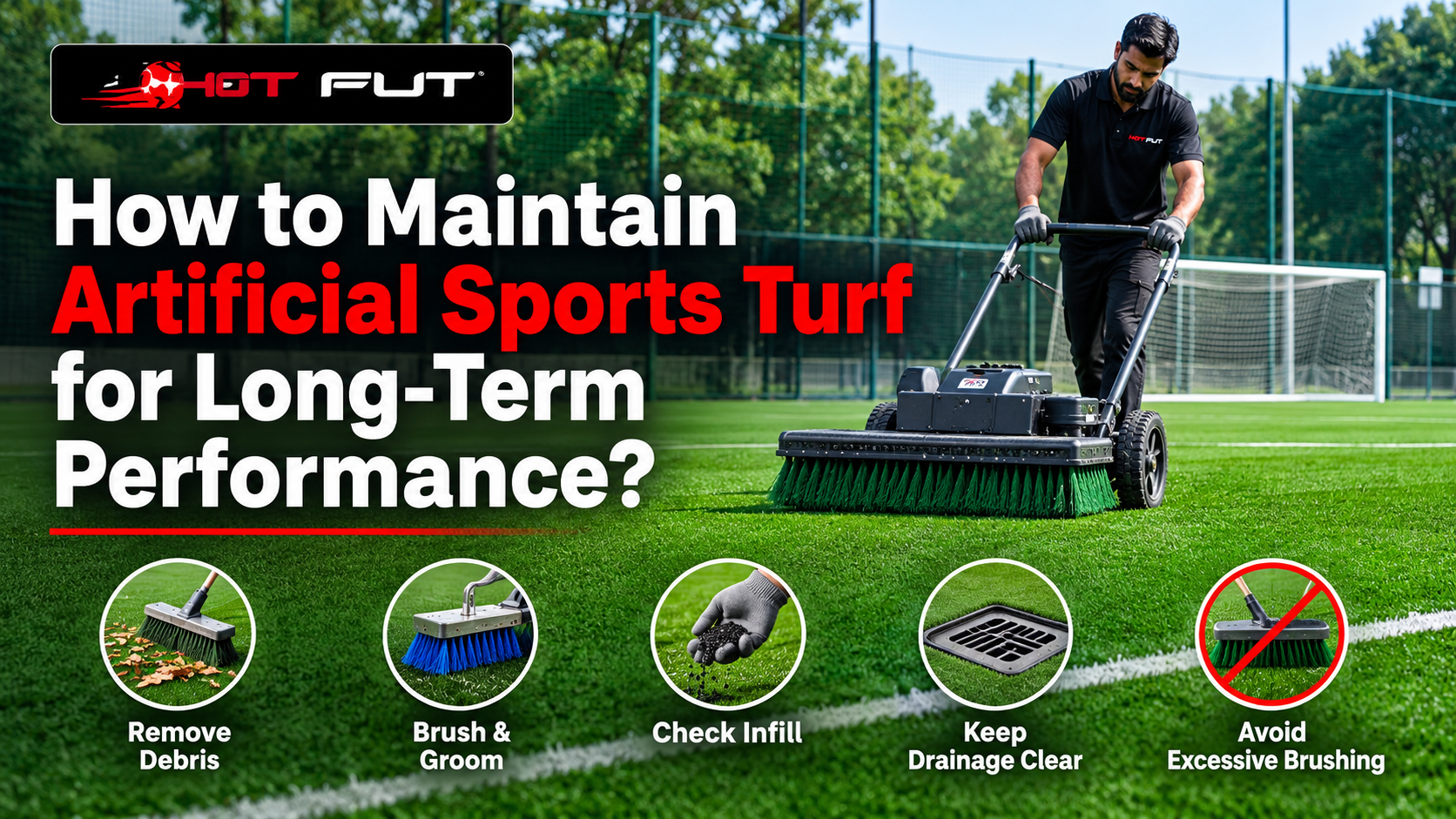
How to Maintain Artificial Sports Turf for Long-Term Performance?

How to Maintain Artificial Sports Turf for Long-Term Performance?

Artificial sports turf is a popular choice for football grounds, sports academies, schools, and recreational facilities. It provides a consistent playing surface and can be used throughout the year. However, many people believe that artificial turf does not require maintenance. This is not true.

Like any other sports surface, artificial turf needs regular cleaning, brushing, inspection, and proper care. Without maintenance, dirt can collect, grass fibres can become flat, and infill material can move from its original position. These problems can affect playing comfort, drainage, and overall performance.

If you own or manage a football turf, following a proper maintenance routine can help protect your investment and keep the playing surface in good condition for years.

Let’s understand some simple and effective ways to maintain artificial sports turf.

Why Is Artificial Sports Turf Maintenance Important?

Regular artificial turf maintenance helps keep the playing surface clean, safe, and ready for sports activities.

Here are some important benefits:

  • Better Playing Experience: Properly maintained turf provides a more consistent surface for running, passing, and playing.
  • Longer Turf Life: Regular care helps reduce unnecessary wear and damage.
  • Improved Drainage: Removing dirt and organic debris helps prevent drainage problems.
  • Better Appearance: Clean and upright grass fibres make the ground look fresh and professional.
  • Reduced Repair Costs: Finding small problems early can prevent more expensive repairs later.

According to synthetic turf maintenance guidance, cleaning, grooming, debris removal, and infill management are important parts of a regular maintenance programme.

7 Effective Ways to Maintain Artificial Sports Turf

1. Clean the Turf Surface Regularly

Cleaning is one of the easiest ways to protect artificial sports turf. Leaves, paper, plastic bottles, food wrappers, dust, and other unwanted materials can collect on the surface during daily activities.

If these materials remain on the turf for a long time, organic debris can break down and contribute to drainage problems.

Use a soft broom, suitable leaf blower, or turf-compatible cleaning equipment to remove unwanted materials. Avoid equipment that can damage the grass fibres or disturb the infill.

2. Brush the Grass Fibres Properly

Regular brushing helps artificial grass fibres remain upright. Heavy sports activities, running, and repeated movement can flatten the fibres over time.

Use a suitable synthetic turf brush to lift the fibres and distribute the infill evenly. Brush in different directions according to the manufacturer’s instructions.

Avoid excessive brushing because it may damage the turf fibres and reduce their lifespan.

3. Check and Maintain the Infill Level

Infill is an important part of many artificial sports turf systems. It helps support the grass fibres and contributes to the surface’s playing characteristics.

During regular use, infill can move towards the sides or become uneven in high-activity areas.

Pay special attention to:

  • Goalkeeper areas
  • Penalty spots
  • Centre areas
  • Corners
  • High-traffic playing zones

Check the infill depth regularly and replenish it when necessary using the material specified for your turf system.

4. Keep the Drainage System Clear

Good drainage is essential for maintaining an artificial sports ground. Blocked drainage areas can cause water to collect on the playing surface, making it difficult to use after rainfall.

Remove leaves, dirt, and other debris from drainage channels and surrounding areas. Also, check whether water flows away properly after heavy rain.

If you notice repeated waterlogging, contact a professional turf maintenance team to inspect the drainage system.

5. Inspect the Turf for Damage

Regular inspection helps identify small problems before they become major issues.

Check the turf for:

  • Loose or damaged seams
  • Torn grass fibres
  • Uneven surfaces
  • Missing or displaced infill
  • Damaged boundary areas
  • Problems around goalposts

If you notice loose joints or damaged sections, contact the installation company or a qualified maintenance professional for suitable repairs.

6. Remove Stains and Unwanted Substances

Sports grounds can collect stains from drinks, food, mud, chewing gum, and other substances.

Clean these areas as soon as possible. Use water and a turf-compatible cleaning solution when required.

Avoid strong chemicals, bleach, petrol, or other unsuitable cleaning products. Always check the manufacturer’s recommendations before applying any cleaning solution.

7. Schedule Professional Turf Maintenance

Basic cleaning can be performed regularly by ground staff, but artificial sports turf also needs professional inspection and maintenance.

Professional maintenance may include deep grooming, infill redistribution, decompaction, seam inspection, and drainage checks.

The frequency depends on playing hours, weather conditions, turf type, and the manufacturer’s recommendations. Heavily used football grounds may need more frequent attention.

Professional maintenance helps identify problems that may not be visible during everyday cleaning.

How Often Should You Maintain Artificial Sports Turf?

A proper maintenance schedule makes turf care easier and more effective. The following is a practical starting point. Adjust it according to usage and the turf manufacturer’s instructions.

Maintenance Activity Suggested Frequency
Remove leaves and rubbish Daily or as required
Check for visible damage Daily
Brush and groom the surface Weekly or as recommended
Inspect infill levels Monthly
Check seams and drainage Monthly and after heavy rainfall
Professional deep maintenance Periodically, based on usage

Remember that these are general guidelines, not fixed requirements for every turf system.

Common Mistakes to Avoid During Turf Maintenance

Even small maintenance mistakes can affect artificial turf performance.

Avoid these common mistakes:

  • Using metal brushes that can damage grass fibres.
  • Ignoring leaves, dust, and other debris.
  • Allowing infill levels to become uneven.
  • Using harsh chemicals without checking compatibility.
  • Ignoring loose seams and damaged areas.
  • Using heavy or unsuitable machinery.
  • Brushing the surface too aggressively.

Following the correct maintenance methods can help protect the turf and maintain a better playing experience.

Conclusion

Artificial sports turf is a valuable investment for football grounds, sports academies, and recreational facilities. However, its performance depends on regular cleaning, brushing, infill management, drainage checks, and timely repairs.

By following these simple maintenance practices, you can keep your sports ground cleaner, improve playing conditions, and help extend the useful life of your artificial turf.

If you are planning to develop or maintain a professional football playing facility, HotFut can be a useful name to explore for football turf solutions. Visit HotFut to learn more about its football turf offerings.

2. Frequently Asked Questions

1. How often should artificial sports turf be cleaned?

Artificial sports turf should be checked daily for rubbish and debris. Regular brushing and deeper cleaning should follow the usage level and manufacturer’s maintenance instructions.

2. Does artificial football turf require regular brushing?

Yes. Brushing helps lift flattened grass fibres, redistribute infill, and maintain a consistent playing surface.

3. How can I prevent waterlogging on artificial turf?

Keep drainage channels clear, remove accumulated debris, and arrange regular drainage inspections to identify blockages.

4. Can artificial sports turf get damaged over time?

Yes. Heavy usage, poor maintenance, uneven infill, unsuitable cleaning equipment, and damaged seams can affect turf performance.

5. Does professional artificial turf maintenance increase its lifespan?

Regular professional maintenance can help reduce avoidable damage, maintain playing conditions, and support the long-term performance of artificial turf.

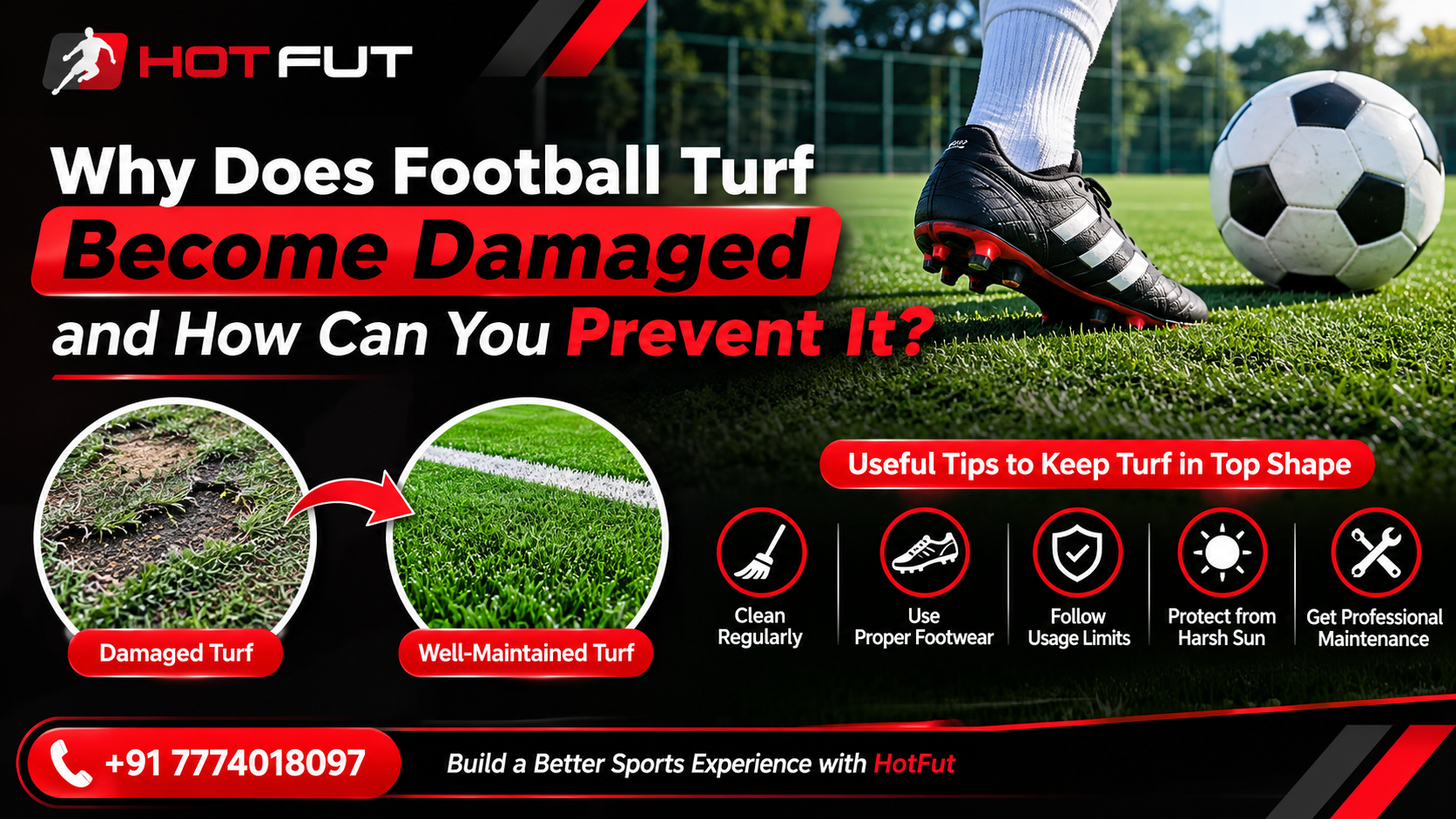
Why Does Football Turf Become Damaged and How Can You Prevent It

Why Does Football Turf Become Damaged and How Can You Prevent It?

Football turf is designed to provide players with a smooth and comfortable playing surface. It is widely used in football academies, sports clubs, schools and commercial sports arenas. However, after regular use, football turf can start showing signs of damage.

You may notice loose turf fibres, uneven surfaces, flattened grass, poor drainage or damaged seams. These problems can affect the playing experience and may increase maintenance costs if they are ignored.

But why does football turf become damaged? Is it because of poor installation, heavy usage or a lack of maintenance?

Understanding the common causes of football turf damage can help sports arena owners, academy managers and facility operators protect their investment. In this article, we will explain the main reasons behind turf damage and practical ways to prevent it.

1. Heavy Usage and Continuous Football Activities

One of the most common reasons for football turf damage is excessive usage. When players regularly practise, play matches and organise tournaments on the same surface, the turf experiences continuous pressure.

Over time, artificial grass fibres can become flat, and certain areas may show more wear than others.

For example, the goal areas, penalty spots and centre of the ground often experience more foot traffic.

How can you prevent it?

  • Create a proper playing schedule.

  • Avoid unnecessary activities on the turf.

  • Rotate training areas whenever possible.

  • Allow time for regular maintenance.

  • Monitor high-traffic areas frequently.

Managing playing hours properly can help extend the useful life of artificial football turf.

2. Poor Quality Artificial Turf Materials

The quality of artificial grass plays an important role in the durability of a football ground. Low-quality materials may lose their shape, become weak or show signs of wear earlier than expected.

Some turf products may not be suitable for the level of activity or weather conditions at a particular location.

Before selecting artificial turf, consider its fibre quality, pile height, backing strength, intended use and manufacturer’s specifications.

How can you prevent it?

  • Choose turf suitable for football activities.

  • Check product specifications before purchasing.

  • Ask for samples and technical details.

  • Compare durability and warranty conditions.

  • Work with experienced sports infrastructure professionals.

Choosing suitable materials from the beginning can reduce avoidable repair and replacement expenses.

3. Improper Installation of Football Turf

Even good-quality artificial grass can develop problems if it is not installed correctly.

Poor installation may cause loose joints, uneven surfaces, wrinkles and gaps between turf sections. These issues can affect ball movement and create uncomfortable playing conditions.

The base preparation is equally important. If the foundation is not properly levelled or compacted, the surface may develop uneven areas over time.

How can you prevent it?

  • Prepare a stable and properly levelled base.

  • Use suitable installation materials.

  • Ensure turf seams are joined correctly.

  • Follow the manufacturer’s installation guidelines.

  • Inspect the completed surface before opening the facility.

Professional installation helps create a consistent playing surface and reduces the chances of early damage.

4. Poor Drainage and Water Accumulation

Water accumulation is another common problem in football turf facilities. When rainwater cannot drain properly, certain areas may remain wet for long periods.

Poor drainage can affect the playing experience and may contribute to problems with the base, infill and turf surface.

This is especially important for outdoor football grounds that receive regular rainfall.

How can you prevent it?

  • Install a suitable drainage system.

  • Ensure the base has proper grading.

  • Keep drainage channels clean.

  • Remove leaves and other debris.

  • Check for water accumulation after rainfall.

A properly designed drainage system helps maintain better playing conditions and supports the long-term performance of the turf.

5. Lack of Regular Turf Maintenance

Artificial turf does not require the same maintenance as natural grass, but that does not mean it is maintenance-free.

Dust, leaves, dirt and other materials can collect on the surface. Infill may also become uneven, while grass fibres can flatten due to regular use.

Ignoring these issues can gradually affect the appearance and performance of the football ground.

How can you prevent it?

  • Brush the turf regularly using suitable equipment.

  • Remove leaves and unwanted materials.

  • Check infill levels where applicable.

  • Inspect seams and edges.

  • Schedule periodic professional maintenance.

A regular maintenance routine helps identify small problems before they become expensive repairs.

6. Improper Use of Football Turf

Sometimes, turf damage happens because the facility is used for activities it was not designed to support.

For example, heavy vehicles, sharp equipment, unsuitable footwear and unauthorised activities can damage artificial grass.

Using the wrong cleaning products or maintenance equipment can also affect turf fibres and backing materials.

How can you prevent it?

  • Display clear usage guidelines.

  • Allow suitable sports footwear.

  • Restrict vehicles and heavy equipment.

  • Avoid sharp objects on the playing surface.

  • Use manufacturer-approved cleaning products.

Setting clear rules for players and visitors can help protect the football facility.

7. Weather Conditions and Sun Exposure

Outdoor football turf is exposed to sunlight, rain, dust and changing temperatures. Long-term exposure to environmental conditions can affect the surface, depending on the quality and specifications of the turf.

Strong sunlight may contribute to material ageing, while heavy rain and dust can increase maintenance requirements.

How can you prevent it?

  • Select turf designed for the expected outdoor conditions.

  • Follow the manufacturer’s cleaning recommendations.

  • Inspect the surface regularly.

  • Maintain proper drainage.

  • Repair damaged sections when necessary.

Selecting suitable materials for local weather conditions is an important part of football turf planning.

8. Ignoring Small Turf Damages

Small problems can become bigger when they are not addressed on time. A minor seam opening, loose edge or uneven infill area may gradually affect a larger section of the playing surface.

Regular inspections help facility owners identify these problems early.

Create a simple inspection checklist covering turf fibres, seams, edges, drainage, infill distribution and high-traffic areas.

If damage is found, arrange suitable repairs instead of continuing regular activities on the affected section.

How Can HotFut Help with Football Turf Development?

Developing a durable football turf requires more than installing artificial grass. Proper planning, suitable materials, base preparation, drainage and professional installation all contribute to the performance of a sports facility.

HotFut focuses on sports infrastructure and sports facility development. Whether you are planning a new football turf, upgrading an existing sports ground or developing a sports arena, choosing the right approach is important.

A well-planned football facility should offer a suitable playing surface, proper drainage, player comfort and manageable maintenance requirements.

If you are planning football turf development or looking for a reliable Sports Infrastructure Company in India, HotFut can help you explore solutions according to your project requirements.

Contact HotFut at +91 7774018097 to discuss your sports infrastructure project.

Frequently Asked Questions

1. Why does artificial football turf become damaged?

Artificial football turf can become damaged due to heavy usage, poor-quality materials, improper installation, drainage problems, weather exposure and a lack of regular maintenance.

2. How often should football turf be maintained?

Maintenance frequency depends on usage, weather, turf specifications and the manufacturer’s recommendations. High-traffic football grounds generally need more frequent inspections and brushing.

3. Can damaged football turf be repaired?

Yes. Many common problems, such as loose seams, damaged edges, uneven infill and small damaged sections, can be repaired. The repair method depends on the type and extent of damage.

4. How can I increase the lifespan of artificial football turf?

Choose suitable materials, ensure professional installation, maintain proper drainage, control excessive usage and follow a regular maintenance schedule.

5. Why is professional football turf installation important?

Professional installation helps ensure proper base preparation, correct seam joining, suitable infill distribution and effective drainage. These factors contribute to a more consistent and durable playing surface.