
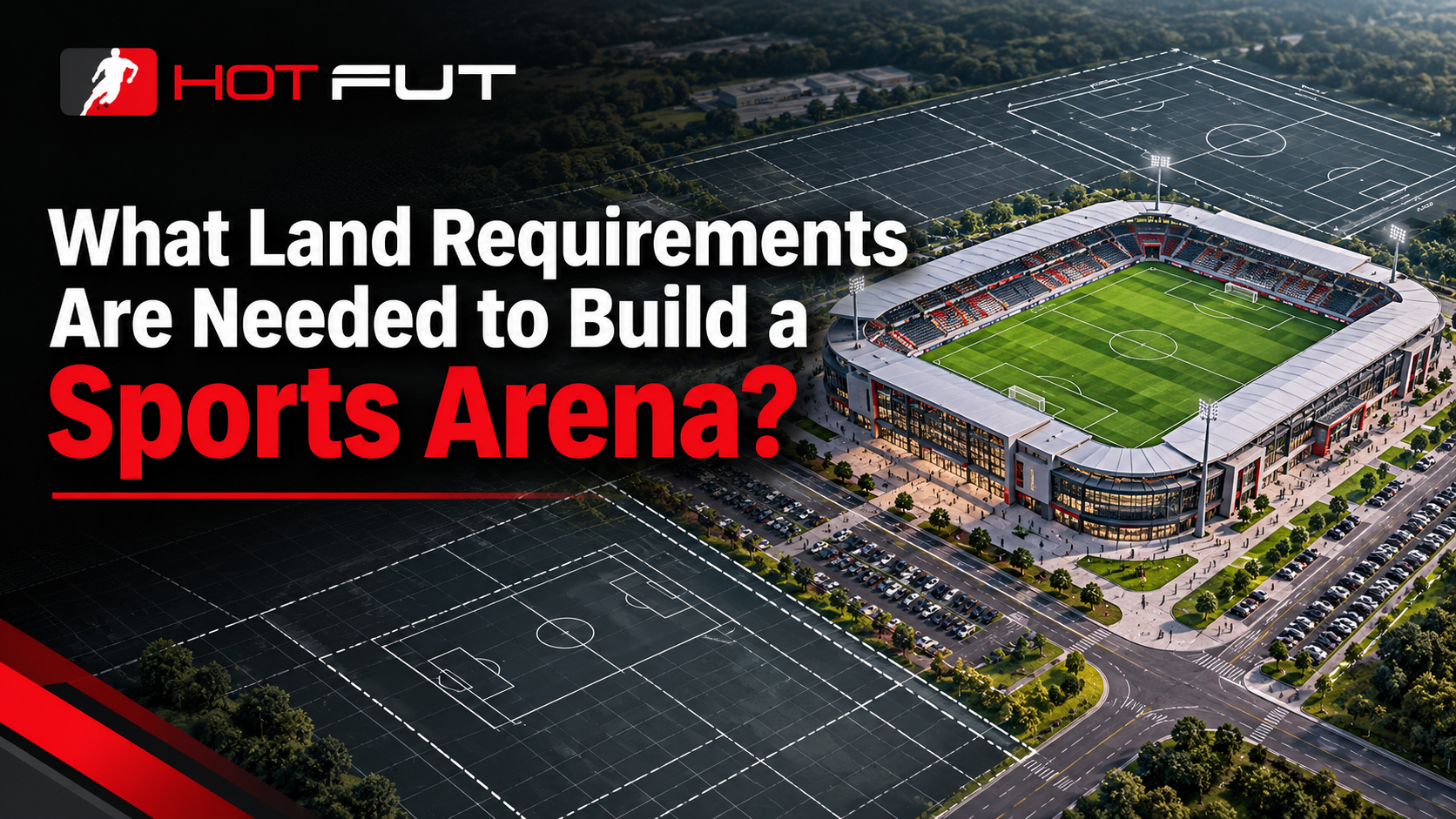
What Land Requirements Are Needed to Build a Sports Arena?
Building a sports arena is an exciting investment for sports businesses, schools, sports clubs, and private investors. However, before starting construction, choosing the right land is one of the most important decisions. A suitable location and properly planned space help create a safe, comfortable, and successful sports facility.
The land requirement depends on the type of sports arena, the number of players, spectator capacity, available facilities, and future expansion plans. Whether you want to build a football turf, multi-sport facility, or a large sports complex, proper land planning is essential.
Let’s understand the major land requirements for building a sports arena.
1. Understand the Type of Sports Arena You Want to Build
The first step is deciding what type of sports facility you want to develop. Different sports require different playing areas and supporting facilities.
For example:
-
Football arenas need a properly sized football pitch and surrounding safety space.
-
Cricket facilities require a playing field, practice nets, and spectator areas.
-
Badminton arenas need indoor courts with sufficient ceiling height.
-
Multi-sport complexes require separate areas for different sporting activities.
If you are planning a football stadium, FIFA recommends a standard field of play measuring 105 metres × 68 metres for its recommended full-size football pitch. Additional space is needed around the playing area for safety and other facilities.
2. Choose Land with Sufficient Space
Land size is one of the biggest factors in sports arena development. You should not calculate the land requirement based only on the playing field.
Your total land area should also include:
-
Main playing ground or artificial turf.
-
Player changing rooms.
-
Reception and waiting areas.
-
Spectator seating.
-
Parking facilities.
-
Washrooms and drinking water facilities.
-
Walkways and emergency access routes.
A small sports facility may need less land, while a stadium with spectator seating and additional facilities requires significantly more space.
Before purchasing land, prepare a basic site layout to understand how every facility will fit into the available area.
3. Check Land Location and Accessibility
The location of your sports arena can directly affect its business success. Choose a location that is easy for players, coaches, visitors, and spectators to reach.
Consider the following points:
-
Good road connectivity.
-
Availability of public transportation.
-
Safe entry and exit points.
-
Nearby residential or commercial areas.
-
Sufficient space for vehicle movement.
A sports arena located near schools, colleges, residential societies, or commercial areas may attract regular customers.
Also, check whether nearby roads can handle increased traffic during tournaments and large sporting events.
4. Plan Parking and Visitor Facilities
Parking is an important requirement that many sports arena developers overlook during the planning stage.
If your facility hosts tournaments, training sessions, or weekend matches, visitors may arrive in large numbers.
Your land plan should include:
-
Two-wheeler and car parking.
-
Separate drop-off and pick-up areas.
-
Accessible parking spaces.
-
Pedestrian walkways.
-
Safe entry and exit routes.
Parking capacity should be decided according to the expected number of visitors and local building regulations.
5. Check Soil Quality and Drainage
Good land quality is necessary for building a strong and long-lasting sports facility.
Before construction, conduct a soil investigation to understand the ground conditions, soil strength, water table, and drainage capacity.
Proper drainage is especially important for football grounds and artificial turf facilities. Poor drainage can cause waterlogging, surface damage, and interruptions during matches.
FIFA’s stadium guidance recommends site-specific pitch design and drainage planning based on soil conditions and local climate.
FIFA Publications
For an artificial football turf, the base must be properly prepared to support the turf system and allow effective water drainage.
6. Follow Local Building and Safety Regulations
Before starting construction, check the legal and regulatory requirements for your selected land.
These may include:
-
Land ownership and title verification.
-
Permitted land use and zoning.
-
Building plan approval.
-
Local development authority permissions.
-
Fire safety requirements.
-
Environmental and drainage approvals.
-
Accessibility requirements.
Requirements can differ depending on the city, state, and type of sports facility. Therefore, consult local authorities and qualified architects before starting the project.
7. Keep Space for Future Expansion
A well-planned sports arena should support future development.
You may want to add more football turfs, indoor courts, training facilities, spectator seating, or food and refreshment areas later.
Keeping some additional space available can help you expand without relocating your entire facility.
Future expansion planning can also improve the long-term business value of your sports arena.
8. Work with Experienced Sports Arena Professionals
Building a sports arena requires proper planning, technical knowledge, and quality construction. Working with experienced professionals can help you select suitable materials, design the playing area, and manage important construction requirements.
If you are planning a football turf or sports facility, HotFut can be a useful brand to explore for your sports turf requirements.
From choosing the right playing surface to planning the overall facility, focus on quality, safety, durability, and player comfort.
Conclusion
Choosing the right land is the foundation of a successful sports arena project. You need to consider the playing area, parking, accessibility, soil quality, drainage, safety regulations, and future expansion before beginning construction.
Remember that the required land size depends on your sports facility’s purpose and design. Proper planning from the beginning can help reduce construction challenges and create a better experience for players and visitors.
If you are planning to develop a football turf or sports facility, explore HotFut and focus on building a space that supports quality sports experiences for years to come.
Frequently Asked Questions (FAQs)
1. How much land is required to build a sports arena?
The required land depends on the type of sport, playing area, spectator capacity, parking, and additional facilities. A small training facility needs less space than a full-size sports stadium.
2. What facilities should be included in a sports arena?
A sports arena should include a playing area, changing rooms, washrooms, parking, spectator seating, drinking water, first-aid facilities, and emergency access.
3. Why is proper drainage important for sports ground construction?
Proper drainage prevents waterlogging, protects the playing surface, and helps maintain safe playing conditions during and after rainfall.
4. What type of land is best for building a football turf?
Land with suitable soil conditions, good road connectivity, proper drainage, sufficient space, and legal permission for sports use is ideal for football turf development.
5. Can a sports arena be expanded in the future?
Yes. If additional land is available and the original layout is planned properly, you can add more playing areas, training facilities, seating, and other sports amenities.